What is death wobble?
Death wobble is a rapid, severe steering-wheel and front-end oscillation that can begin after a bump or road joint. It is not normal. Slow down safely, stop when necessary, and have the steering and suspension inspected before continuing to drive normally.
Is a steering stabilizer a complete death-wobble fix?
Not automatically. A steering damper or stabilizer may be part of the repair on some vehicles, but looseness, wear, alignment, tire or wheel condition, mounting points, and modifications can also contribute. A-1 diagnoses the complete front end before recommending parts.
What does A-1 inspect for death wobble?
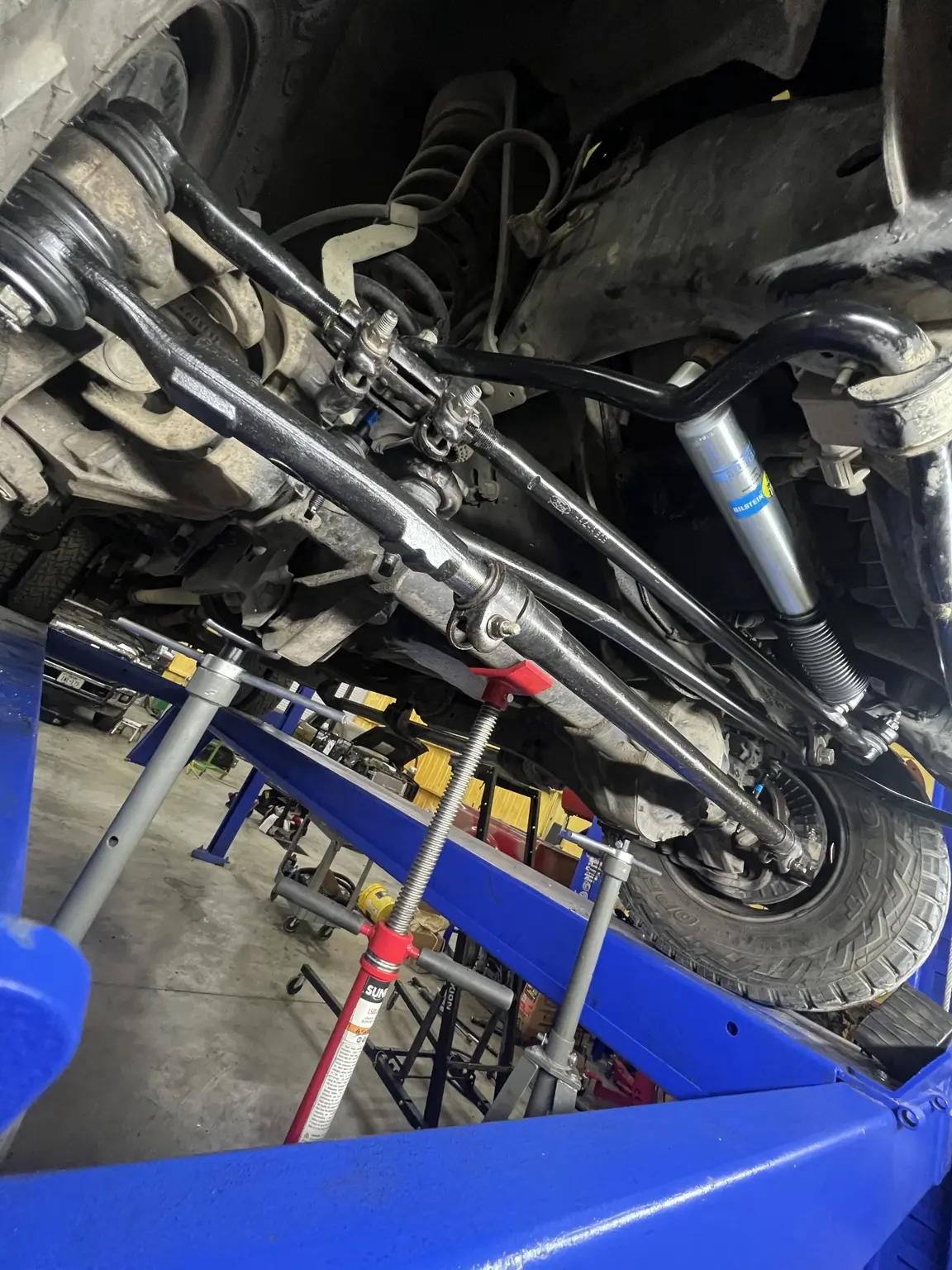
The inspection can include tire pressure and wheel condition, track bar and mounting points, steering linkage and tie rods, ball joints, shocks or dampers, wheel hubs when relevant, alignment and caster, looseness, damage, and suspension modifications.
Should I drive or tow a truck with death wobble?
If the oscillation is severe, repeats, or makes the truck unsafe to control, slow down safely, stop, and call A-1. Arrange a tow instead of continuing to drive an unsafe vehicle.
Does A-1 perform wheel alignments?
Yes. A-1 performs wheel alignments on supported cars and trucks and checks for worn or loose front-end parts that could prevent a dependable result.
Can A-1 replace tie rods and ball joints?
Yes. A-1 diagnoses and replaces worn tie rods, ball joints, and related steering or suspension components when the inspection supports the repair.
Do you replace shocks?
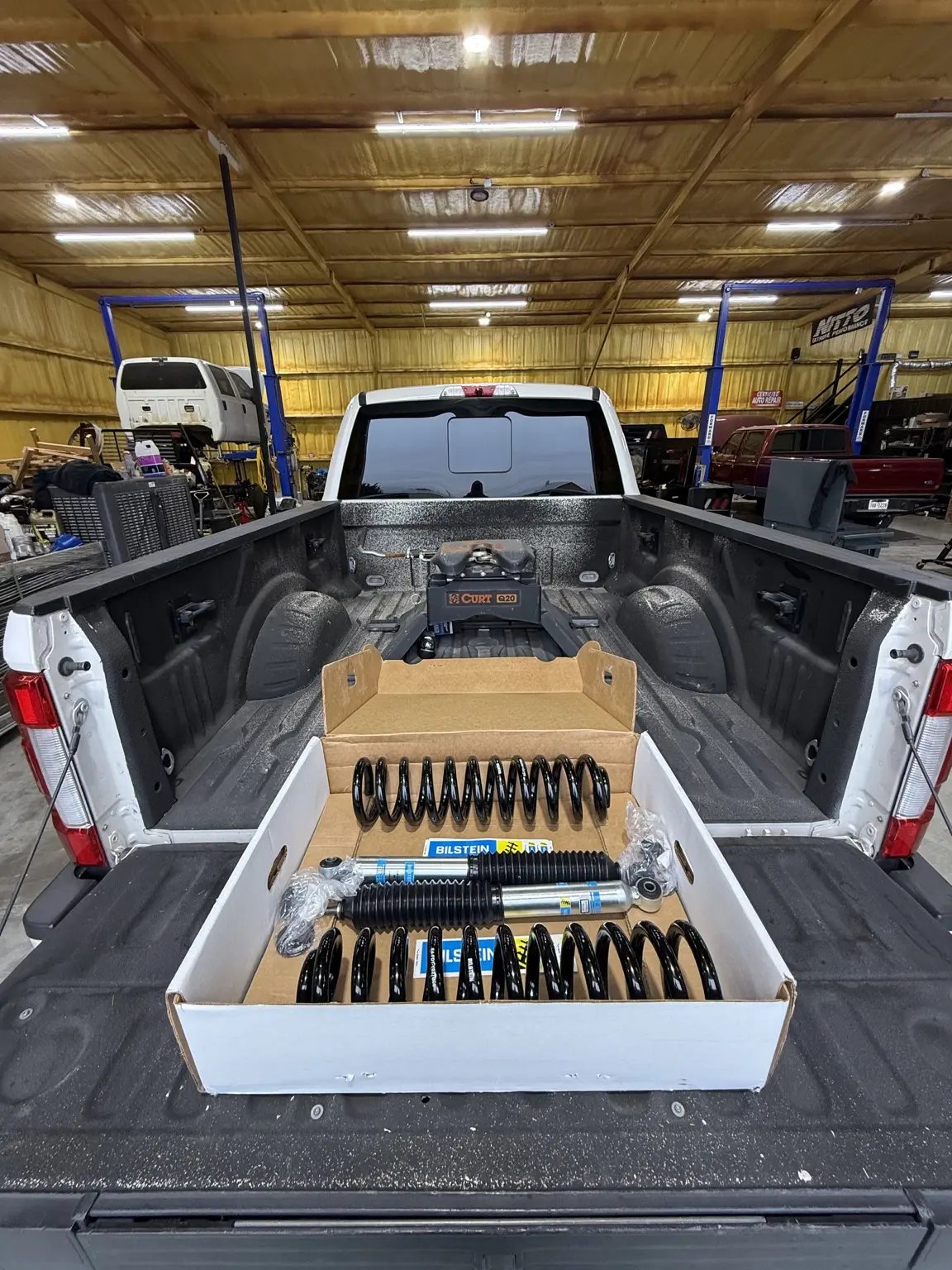
Yes. A-1 checks shocks, mounts, and related suspension components when the vehicle bounces, rides poorly, makes noise, or feels unstable.
Can a bad wheel hub cause humming or looseness?
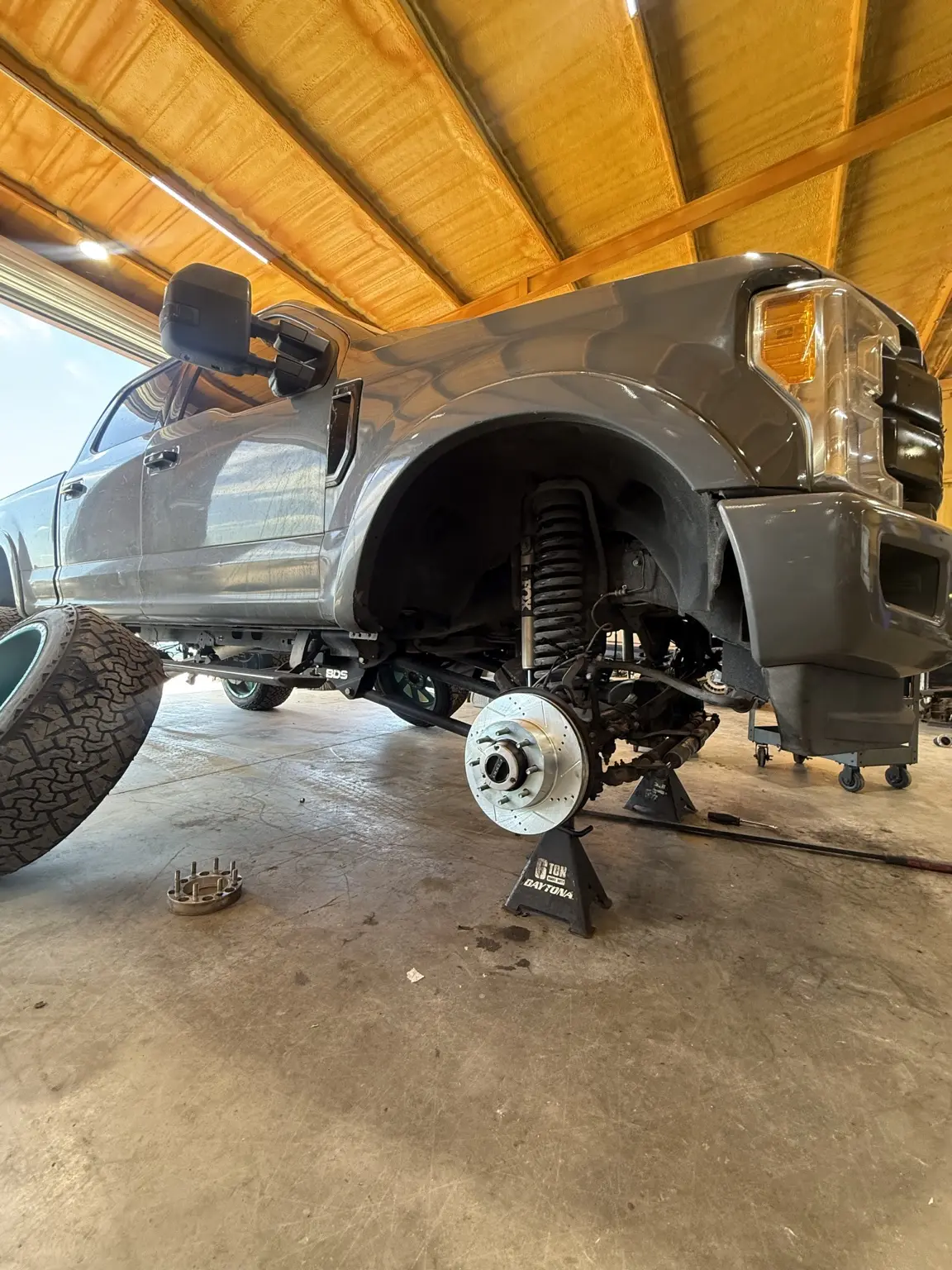
A worn wheel hub can contribute to humming, grinding, vibration, or looseness, but brakes, tires, suspension parts, and other components can produce similar symptoms. A-1 inspects the vehicle before recommending a hub.
Should the front end be repaired before an alignment?
Any loose, worn, bent, or damaged component that affects alignment should be addressed first. A-1 can inspect the front end, explain the repair order, and align the vehicle when the mechanical condition is ready.